
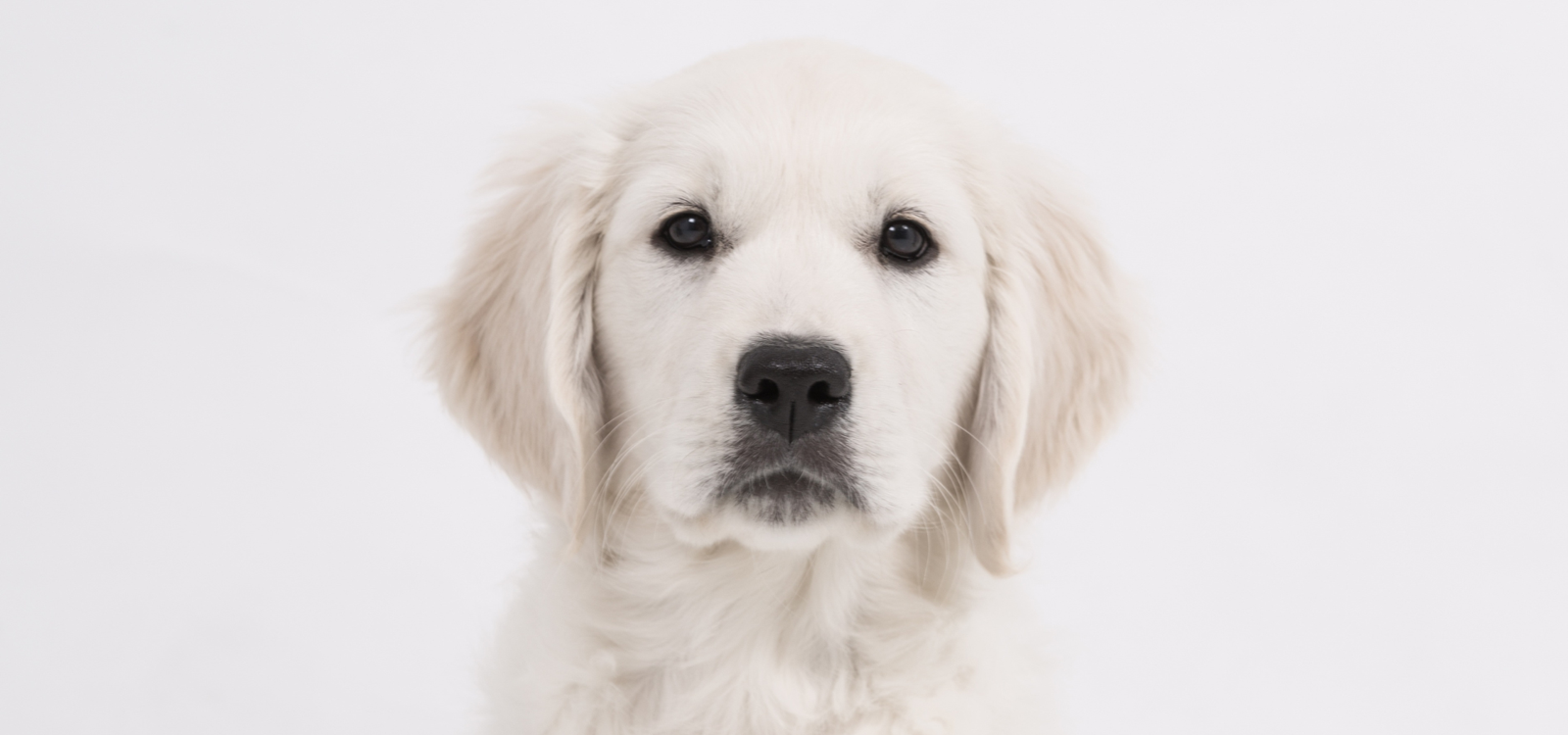
Understanding Your Golden Retriever Puppy’s Mind: A Guide to Successful Training
Bringing a golden retriever puppy, or an English cream retriever puppy, into your home is an incredibly exciting time. These bundles of fluff are known for their intelligence, eagerness to please, and of course, their undeniable charm. However, like all puppies, they require patient and consistent training to grow into well-mannered companions. To achieve training success, it’s crucial to understand how your puppy thinks and learns.
Thinking in Pictures, Not Sentences
Unlike humans who rely on language and complex thought processes, dogs, including your golden retriever puppy, perceive the world through images and associations. When you’re teaching your puppy a new skill, they’re not processing your words in the same way we do. Instead, they are trying to create a mental picture of what you’re asking them to do. This is why consistency is paramount in dog training. Every time you give a command, use the same words, hand signals, and body language. This helps your puppy form a clear picture of what’s expected, avoiding confusion and frustration.
The 3-Second Rule
Golden retriever puppies, and indeed all puppies, have a very short memory span – approximately 3 seconds. This means timing is everything when it comes to reinforcing good behavior or correcting unwanted actions. If your puppy performs a desired behavior, like sitting on command, you need to praise or reward them within those 3 seconds for them to associate the reward with the action. The same applies to corrections. If your puppy does something undesirable, like chewing on furniture, you need to redirect or correct them immediately.
If you miss that 3-second window, it’s best to remain neutral. Praising or correcting your puppy after this time will only confuse them, as they won’t be able to connect your reaction to their previous behavior.
Common Training Challenges and Solutions
Even with the best intentions and understanding, you may encounter some bumps in the road during your golden retriever puppy’s training journey. Here are a few common challenges and how to address them:
- Distractibility: Golden retrievers are naturally curious and playful, which can make focusing during training sessions challenging, especially outdoors. To combat this, start training in a quiet environment with minimal distractions. Gradually introduce more distractions as your puppy progresses. Keep training sessions short and engaging, using high-value treats and plenty of praise to keep your puppy motivated.
- Mouthing and Nipping: Puppies explore the world with their mouths, and golden retriever puppies are no exception. They may nip or mouth your hands during play or training. To discourage this, redirect their attention to a chew toy whenever they start to nip. If they continue, calmly end the interaction and walk away. This teaches them that nipping leads to the end of playtime.
- Potty Training Accidents: Accidents are bound to happen during potty training. If your puppy has an accident indoors, don’t punish them. Instead, clean it up thoroughly and continue reinforcing good habits by taking them outside frequently, praising them lavishly when they eliminate in the right spot.
- Jumping Up: Golden retrievers are enthusiastic greeters, and jumping up is a common behavior. To prevent this, teach your puppy an alternative behavior, like sitting, and reward them for keeping all four paws on the ground when people approach. Ignore them when they jump and only give them attention when they are calm and sitting politely.
Consistency is Key
Remember, training your golden retriever puppy is an ongoing process. It requires patience, consistency, and a positive approach. By understanding how your puppy thinks, utilizing effective timing, and addressing common challenges with appropriate solutions, you can build a strong foundation for a lifetime of companionship and joyful moments with your furry friend.