
Golden Retriever Puppy Socialization: The Complete Guide
Socializing a Golden Retriever puppy means giving it calm, positive exposure to the people, places, sounds, surfaces, and handling it will meet throughout its life — most of it before the critical window closes around 16 weeks of age. It is about good experiences at the puppy’s pace, with you controlling the environment — not maximum contact.
Our Aspen Ridge breeding dogs work every week in clinical therapy settings with children and adults recovering from accidents and injuries — work that is only possible because of deliberate socialization begun in their first weeks. Here is the complete guide to doing the same for your puppy.
Key Takeaways
- The critical socialization window closes around 12–16 weeks of age — positive exposures before then shape a Golden’s confidence for life.
- Socialization means positive, controlled exposure at the puppy’s pace — flooding a puppy with overwhelming experiences does more harm than none at all.
- You do not have to choose between vaccine safety and socialization: carry your puppy in public, host visitors at home, and choose controlled environments instead of dog parks.
- Watch your puppy’s body language: a loose, wiggly puppy is learning; a tucked tail, pinned ears, or retreat means add distance, not pressure.
- A well-run puppy class is the safest structured socialization available, and the AKC Canine Good Citizen title is an ideal first goal.
What Socialization Actually Is (and Isn’t)
Socialization is the process of teaching a puppy, through positive experience, that the world is safe: strangers in hats, slick floors, thunderstorms, toddlers, other dogs. Every good exposure gets filed under "normal," and a Golden with a thick "normal" file grows into the steady, take-anywhere dog the breed is famous for.
What socialization is not is flooding — dragging a worried puppy into a street fair or passing it around a party until it trembles "so it gets used to it." A frightening experience at this age can teach the opposite lesson and stick. The formula is simple: the puppy chooses to approach, the experience stays positive, and you quit while you are ahead. Ten calm minutes beat two overwhelming hours.
The Critical Window: Before 16 Weeks
Puppy brains have a period — from about 3 weeks to somewhere between 12 and 16 weeks — when they are biologically primed to accept novelty. After the window closes, new things default to suspicion instead of curiosity, and changing a dog’s mind takes far more work. It is the single most influential stretch of a dog’s behavioral life — more in our puppy development stages guide.
Half of that window happens at the breeder’s house. Our litters are raised in our home with daily handling, household noise, varied surfaces, and visits from adults and children — so an Aspen Ridge puppy arrives with the file already started. Your job is the second half: the roughly eight weeks between go-home day and 16 weeks, which is also, inconveniently, before the vaccine series is finished.
Balancing Vaccination Safety With Socialization
New owners hear two contradictory instructions: "socialize before 16 weeks" and "keep the puppy away from everything until fully vaccinated." The good news: veterinary behavior experts have largely settled this — the behavioral risk of isolation is lifelong, while disease risk can be managed with sensible precautions. You can do both:
- Carry-and-observe. Your puppy can watch the hardware store or coffee shop patio from your arms or a cart — zero paw contact with public ground.
- Choose controlled environments. Your yard, friends’ yards with known vaccinated dogs, and clean indoor spaces are all safe classrooms.
- Bring the world to the puppy. Invite varied visitors — men, women, kids, hats, beards, canes — to your home.
- Avoid high-traffic dog areas until fully vaccinated. Dog parks, pet-store floors, and popular trailheads carry the real parvo risk.
- Puppy class after the first vaccines. Well-run classes require vaccinations of every enrolled puppy and sanitize floors.
Your vet knows your area’s disease risk — build the plan together at the first checkup.
The Socialization Checklist
Deliberate beats accidental. Print a list, aim for a few new items a week, and pair every new thing with treats and a happy voice:
- People: men and women, children of all ages, babies, seniors, people in hats, hoods, and uniforms, people using wheelchairs or canes, joggers, and cyclists.
- Surfaces: grass, gravel, sand, snow, wet pavement, slick tile, metal grates, wobbly boards, and stairs.
- Sounds: vacuum, blender, doorbell, storm and fireworks recordings at low volume, traffic, sirens, and clapping.
- Handling: paws and nails touched daily, ears and mouth examined, brushing, being picked up, and collar grabs paired with treats — the groundwork for easy vet and groomer visits.
- Car rides: short, frequent, and destination-positive — not only vet trips.
- Other animals: calm, vaccinated, known adult dogs first; cats and livestock at a respectful distance if they are part of your world.
Reading Your Puppy’s Body Language
The puppy is the only judge of whether an experience is positive. Learn the two pictures:
- A puppy that is coping well looks loose and wiggly — soft eyes, relaxed or wagging tail, free movement toward the new thing, taking treats readily.
- A puppy that is overwhelmed shows a tucked tail, pinned ears, lip-licking, yawning, turning away, hiding behind your legs, refusing treats, or a suddenly still, tense body.
When you see the second picture, the answer is distance, not pressure. Move farther away until the puppy relaxes, reward calm curiosity, and try again another day. Never pass a worried puppy into a stranger’s arms to "get it over with" — protecting it in those moments builds its trust in you.
Puppy Classes and the CGC Goal
A well-run puppy kindergarten is the best structured socialization money can buy: controlled floor, screened vaccinated classmates, and an instructor reading the play. Look for positive-reinforcement classes with short, size-matched play sessions that let you observe before enrolling.
After puppy class, we point every family toward the AKC Canine Good Citizen (CGC) title as a first-year goal. The ten-item test — accepting a friendly stranger, walking through a crowd, behaving around another dog — is essentially a socialization final exam that builds on early training. Our own breeding dogs hold CGC titles, and the AKC lists test items and local evaluators.
Socialization Is the Foundation of Therapy and Service Work
Everything in this guide scales up. A therapy dog in a pediatric clinic meets squeaky wheelchairs, beeping monitors, sudden cries, and unsteady hands reaching for its fur — and must read it all as normal. That composure is not trained in later; it is built on socialization during the critical window.
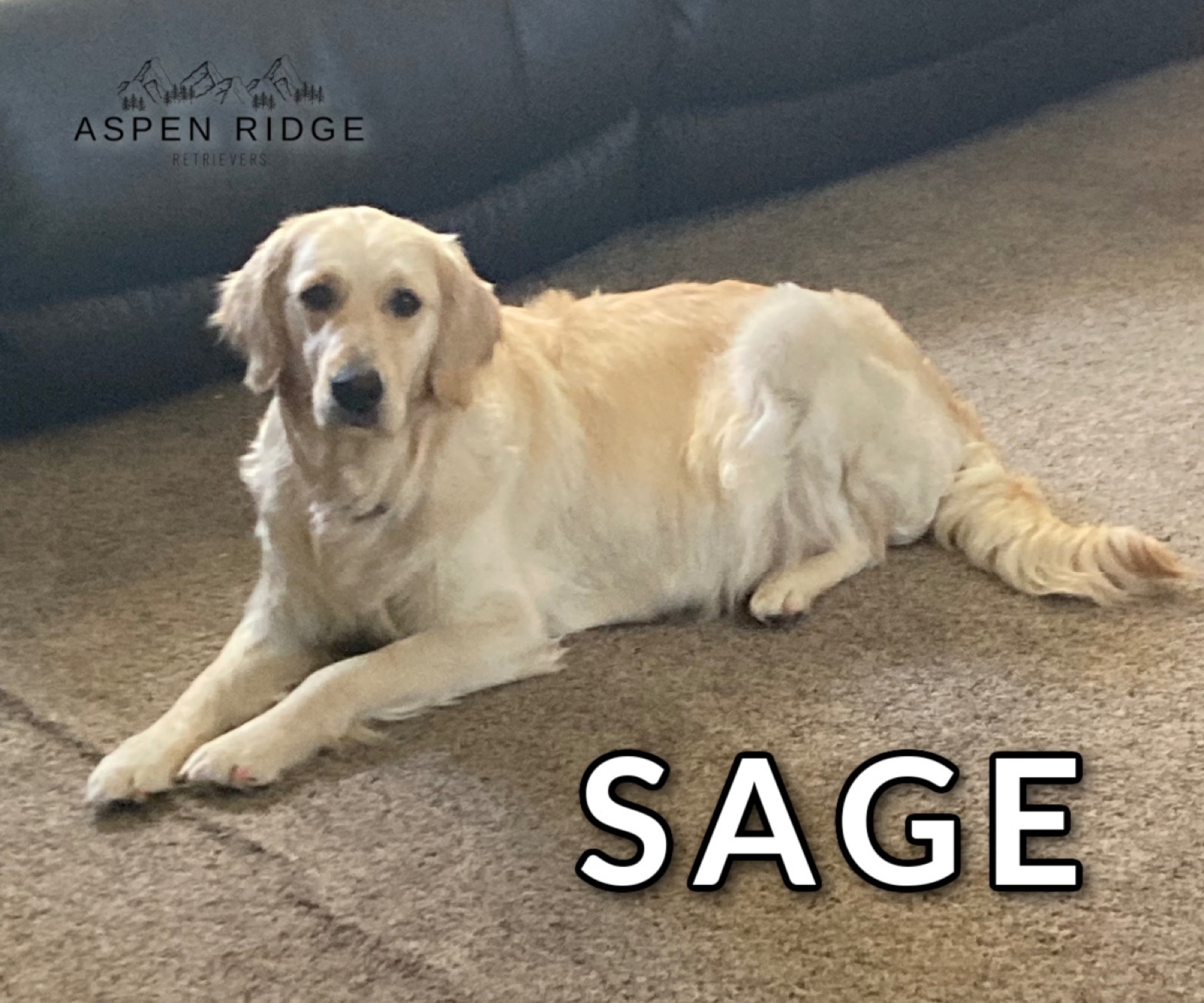
Our dogs Sage and Tikka work weekly in clinical settings on exactly this foundation. If that path interests you, read how to train a therapy dog and service dog vs therapy dog — different roles, both starting with a deeply socialized puppy.
And if you are still looking for that puppy, an Aspen Ridge puppy arrives with the first half of the window already invested. Fill out our puppy application and we will help you plan the second half.
Frequently Asked Questions
Meet Our English Cream Retrievers
Mending Hearts and Building Families through the power of a dog — raised in Rigby, Idaho from health-tested, therapy-certified parents.